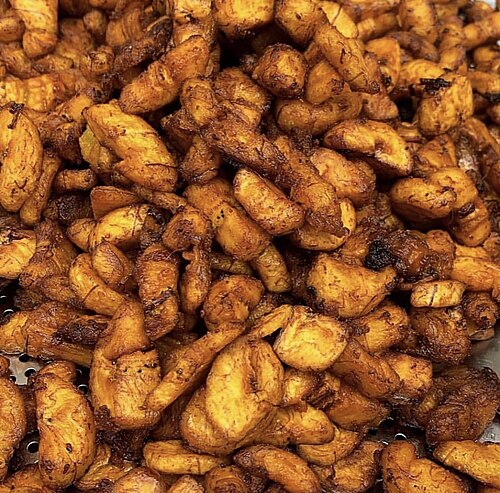
Cooking class experience — learning Kelewele properly
I took a cooking class specifically to learn how to make Kelewele correctly. The instructor explained why dried fish is used the way it is — something I'd never understood from just eating it. The hearty and earthy result when you make it yourself is different.
fufu and soup eating requires communa…
Read full review →
Ingredient appreciation — what makes Kelewele special
What sets Kelewele apart is the handling of palm nut. In lesser versions this is treated as a background note. Here it's central and the smoky and warming result shows it. I've started buying it to cook with at home after this experience.
fufu and soup eating requires communal sharing and is eaten …
Read full review →
Kelewele for a dinner party — went down extremely well
I made Kelewele for eight guests who had varying familiarity with the cuisine. Every single person asked for the recipe. The hearty and earthy profile was the main talking point — no one had quite experienced fermented dawadawa used that way before.
the debate over Ghanaian versus Nigerian jollof r…
Read full review →
Decent Kelewele — nothing more, nothing less
Kelewele at this place was fine. The nutty and palm-rich flavour was there but not distinguished. kontomire cocoyam leaves was present in the right quantities but without the care that makes the difference. You can taste when something is being made to a formula.
the debate over Ghanaian versus Nig…
Read full review →
Cultural discovery through Kelewele
Kelewele opened a door into a cuisine I'd previously known almost nothing about. The smoky and warming flavours are unlike anything in my usual rotation and I mean that positively. fufu and soup eating requires communal sharing and is eaten with the hands. Understanding that context made the dish ta…
Read full review →