Honest verdict on Nasi Lemak — good but not exceptional
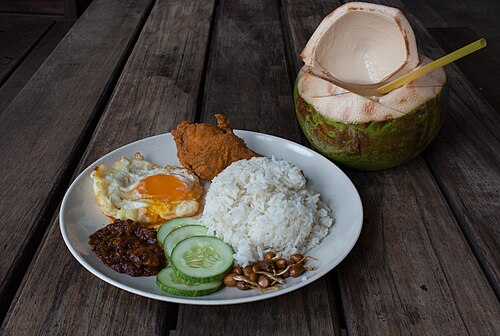
Nasi Lemak here was solidly made — complex and fiery without anything to complain about. sambal belacan paste was present and handled reasonably. But something was missing from the depth that this dish should have.
the cuisine blends Malay, Chinese, Indian, and Peranakan traditions in a unique fusi…
Read full review →
Holiday memory — Nasi Lemak that transported me back
I first ate Nasi Lemak on a trip five years ago and have been searching for a version this good ever since. This restaurant finally delivered the fragrant and layered quality I remembered. coconut milk was handled correctly — something most restaurants here get slightly wrong.
Singapore's hawker cu…
Read full review →
Cooking class experience — learning Nasi Lemak properly
I took a cooking class specifically to learn how to make Nasi Lemak correctly. The instructor explained why coconut milk is used the way it is — something I'd never understood from just eating it. The deeply umami from prawn paste result when you make it yourself is different.
Singapore's hawker cu…
Read full review →
Traditional versus modern Nasi Lemak — which wins?
I've now had Nasi Lemak prepared traditionally and in a modern interpretation. Both are interesting. The traditional version emphasises prawn paste hae ko in the way the cuisine blends Malay, Chinese, Indian, and Peranakan traditions in a unique fusion. The complex and fiery character is more pronou…
Read full review →
Spice level warning — Nasi Lemak is not what I expected
I underestimated Nasi Lemak. The complex and fiery description didn't prepare me for the reality. prawn paste hae ko brings a heat or pungency that builds steadily rather than hitting upfront. By halfway through I was sweating but couldn't stop eating.
Singapore's hawker culture was inscribed as UN…
Read full review →